The corporate graveyard is full of brands that once looked invincible. BlackBerry. Blockbuster. British Home Stores. For years they dominated their markets until suddenly they didn’t.
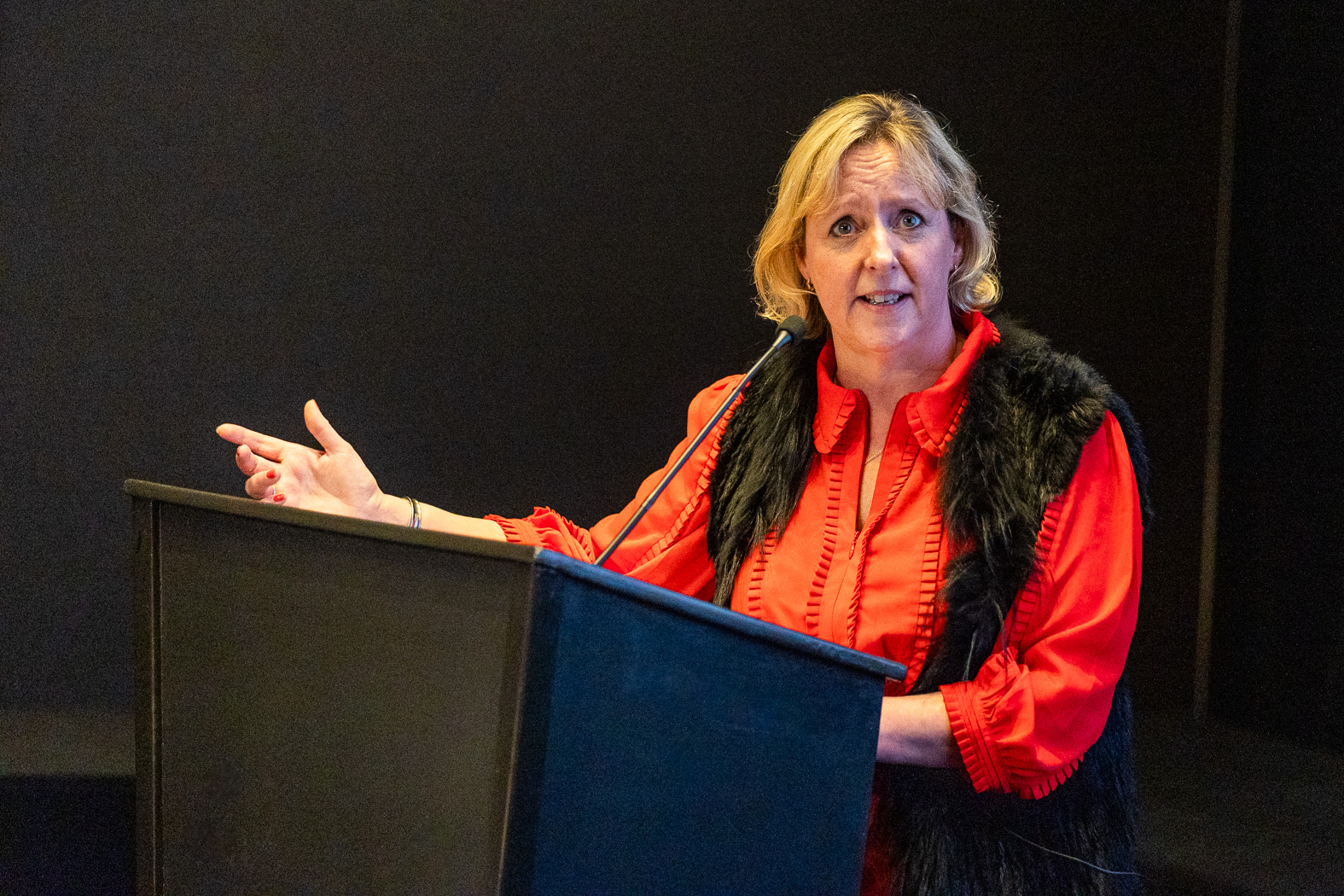
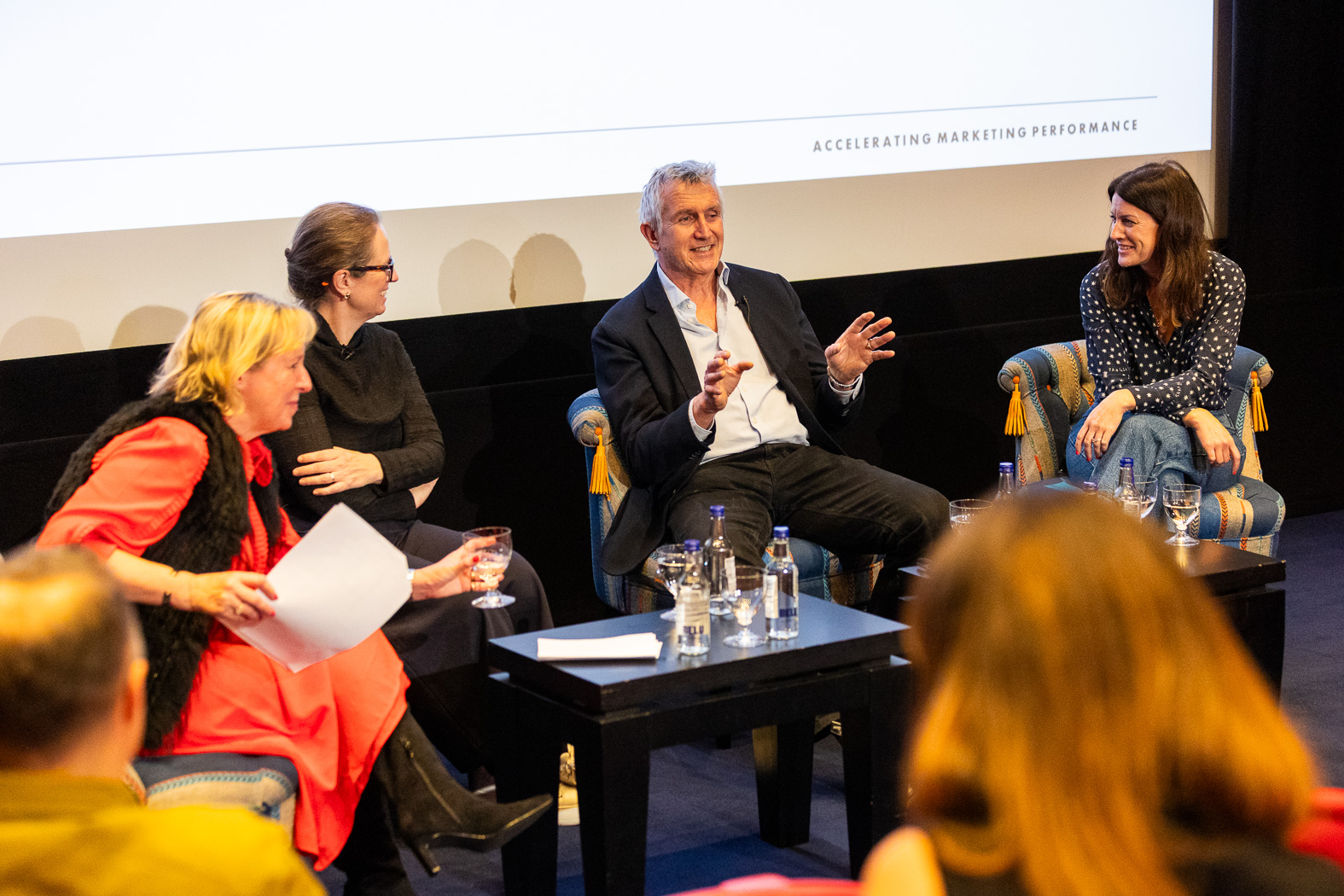
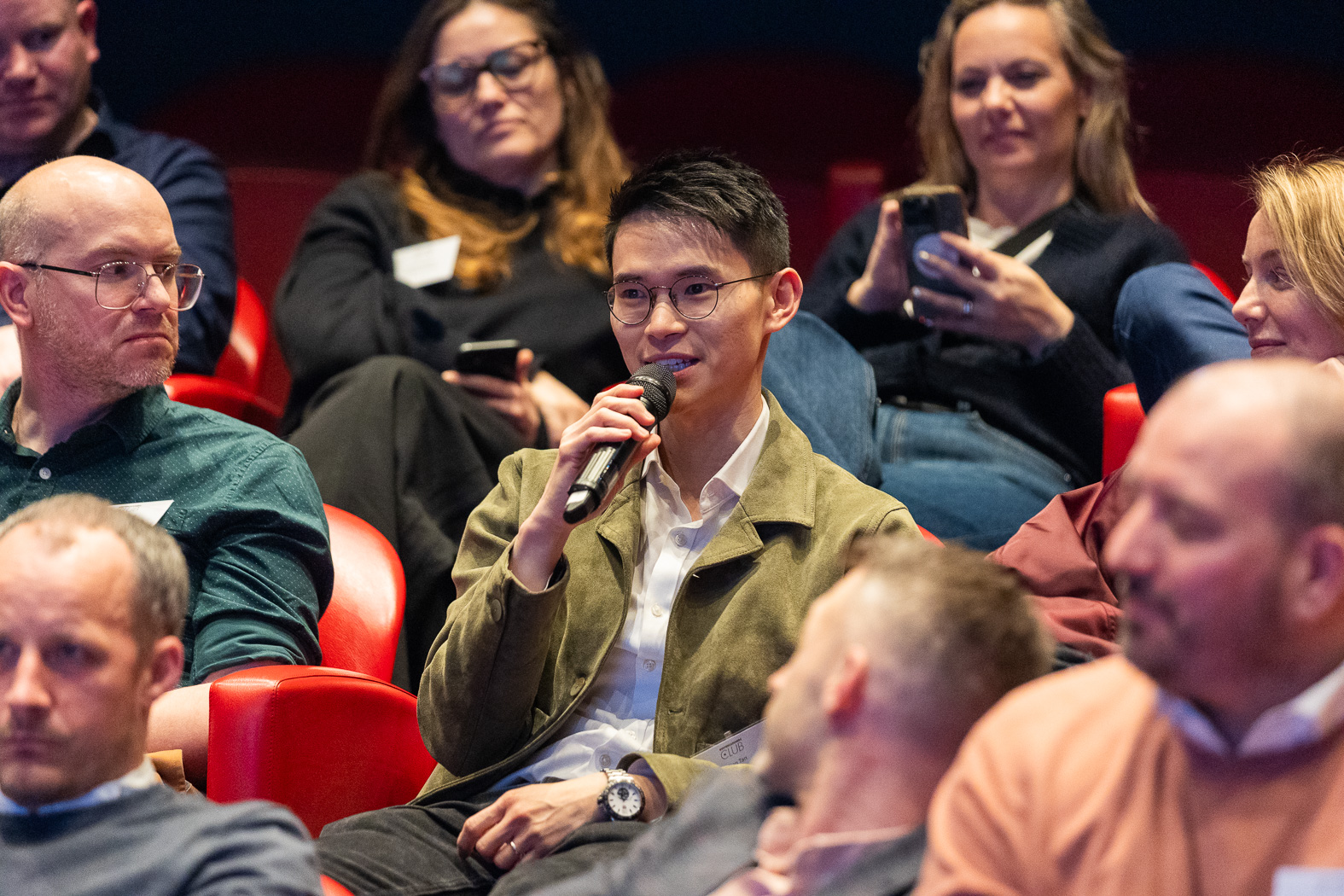
At the latest Oystercatchers Club evening we gathered a group of senior marketers to explore a simple but uncomfortable question: how do brands stay relevant when the pace of change feels faster than ever?
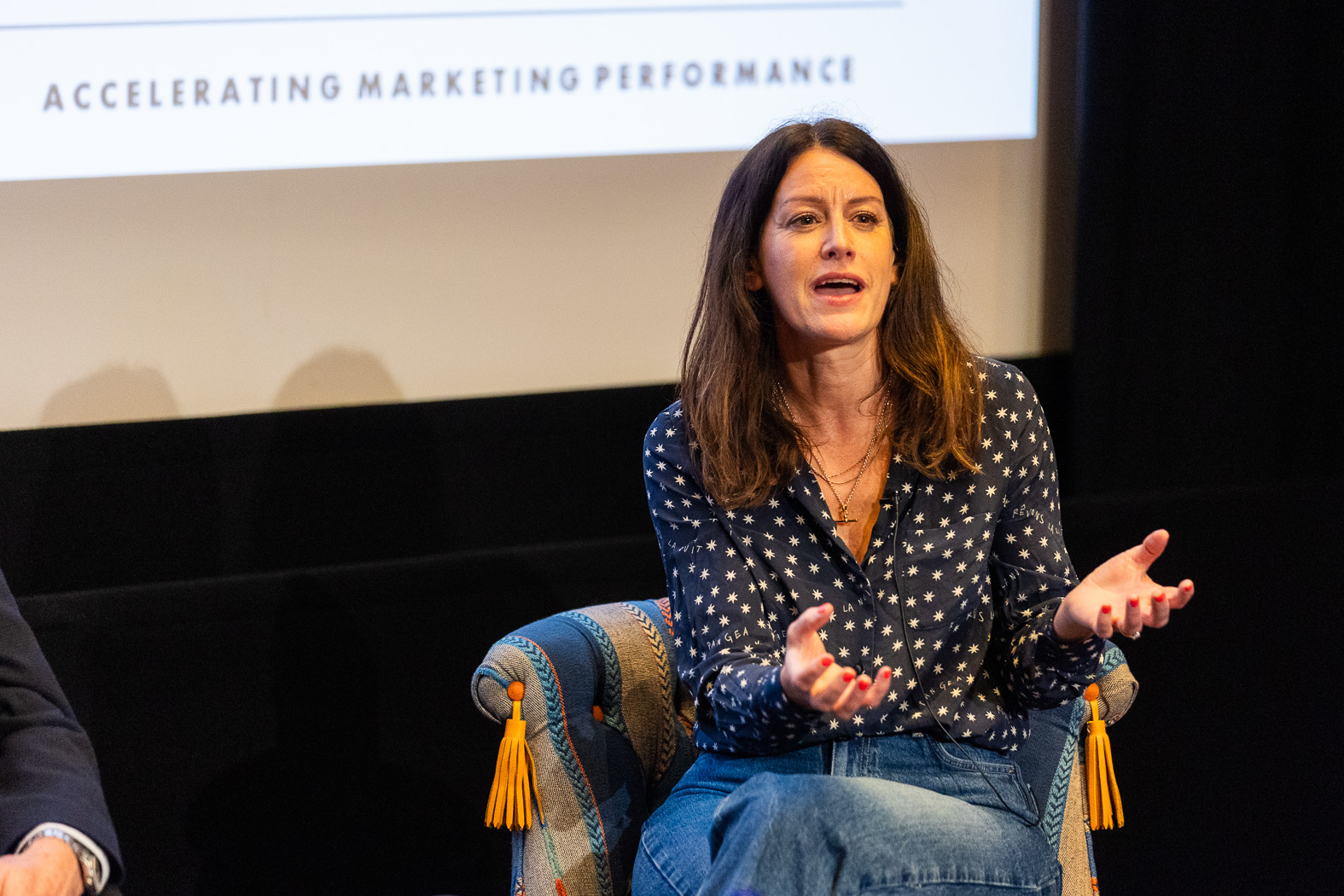
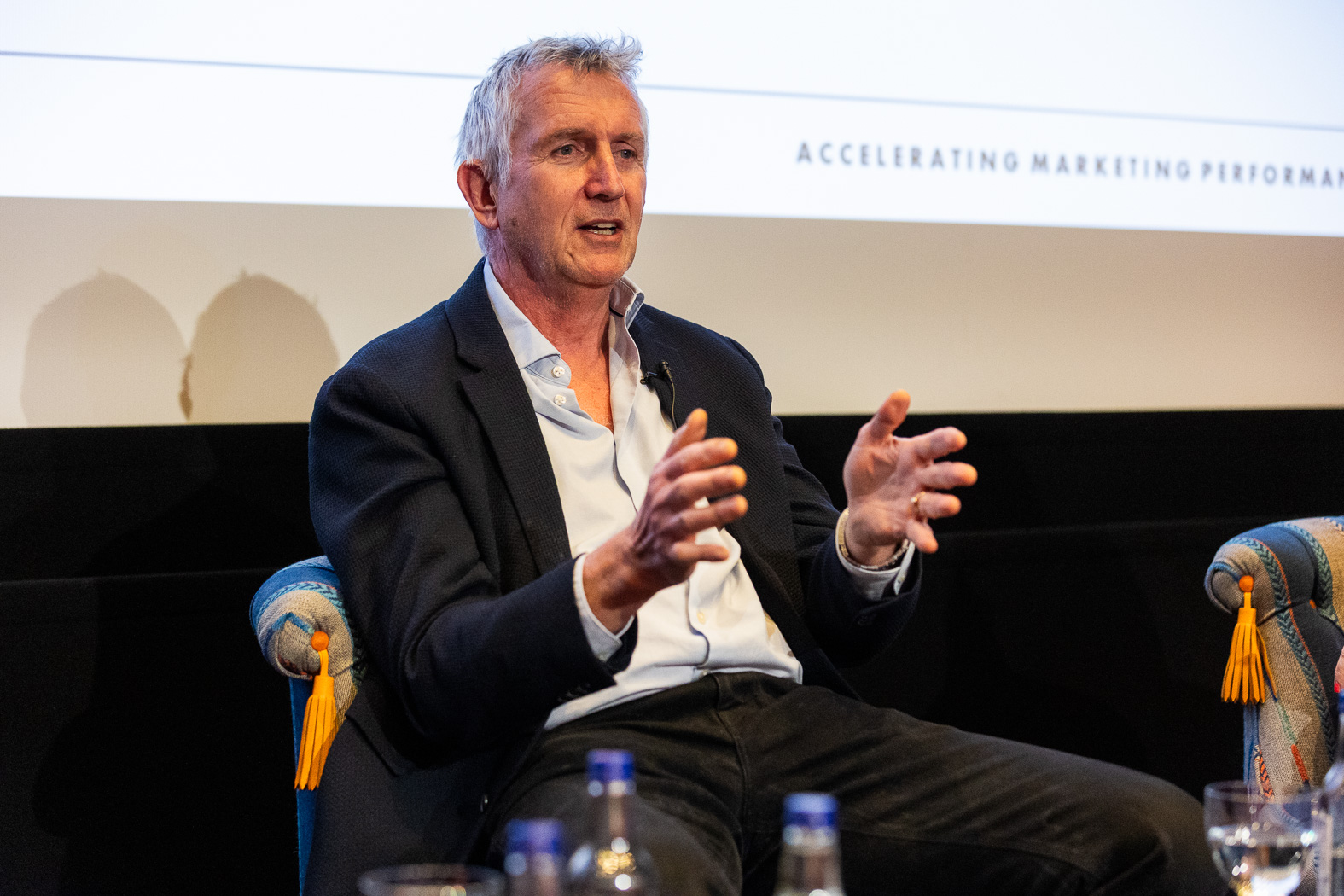
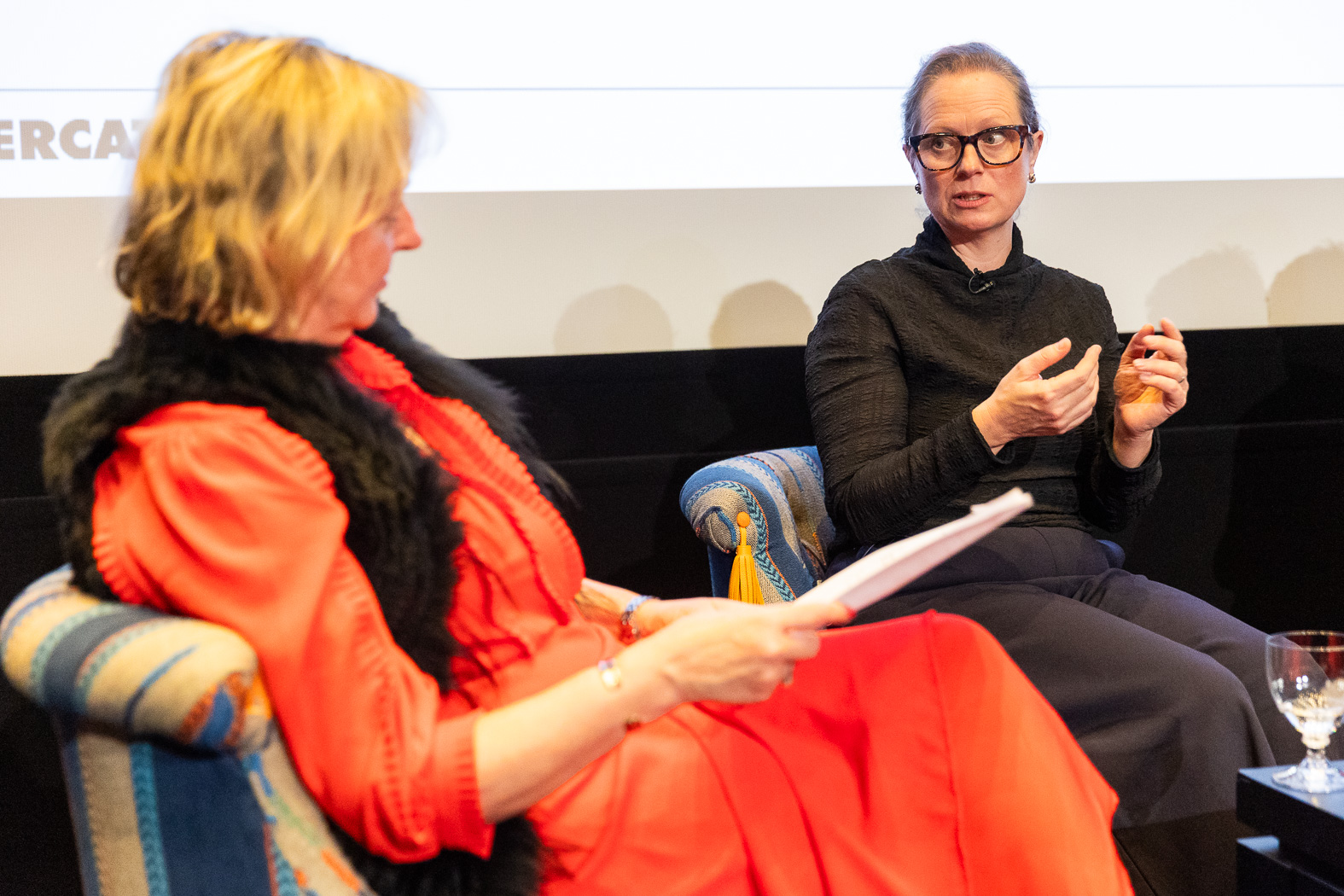
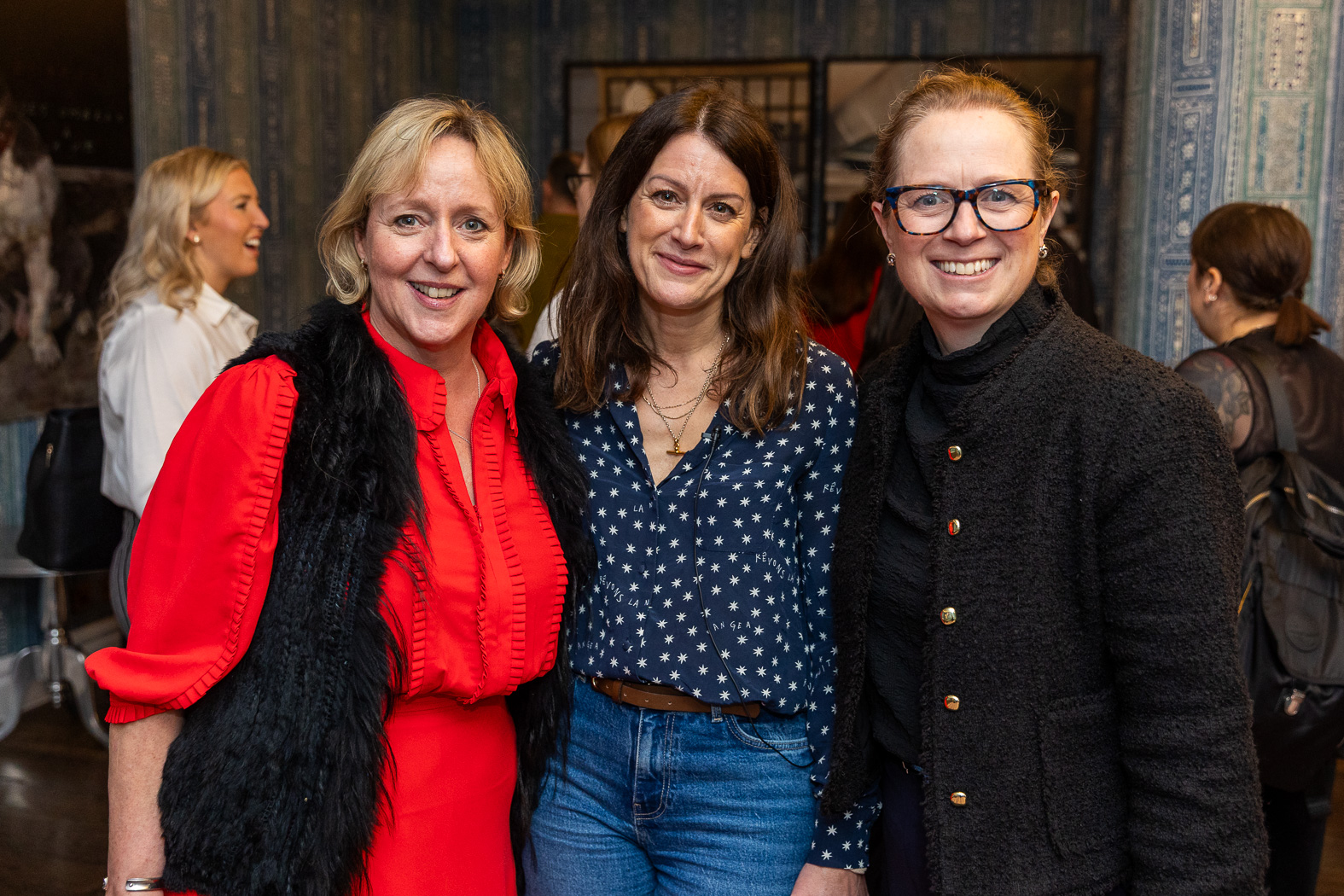
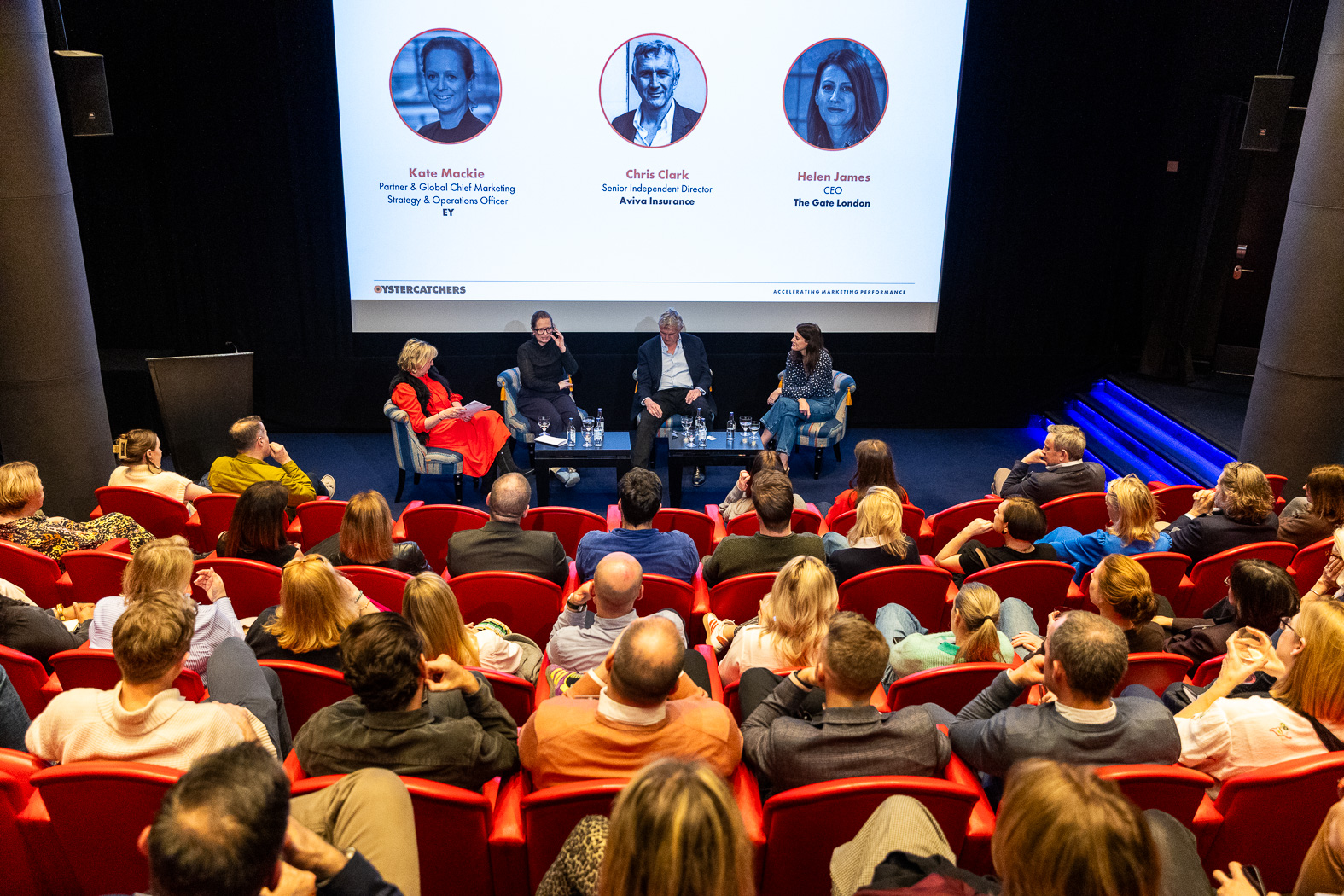
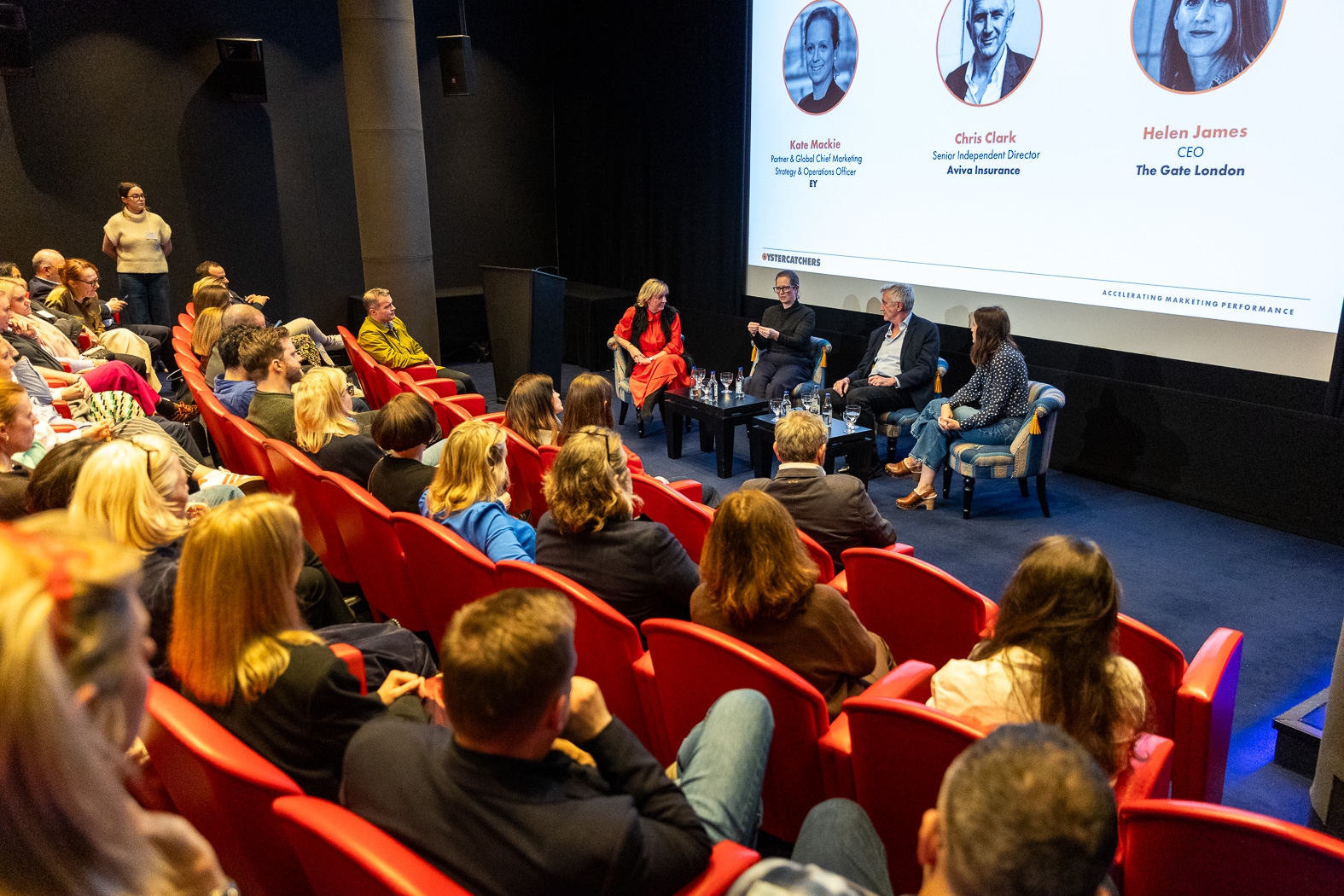
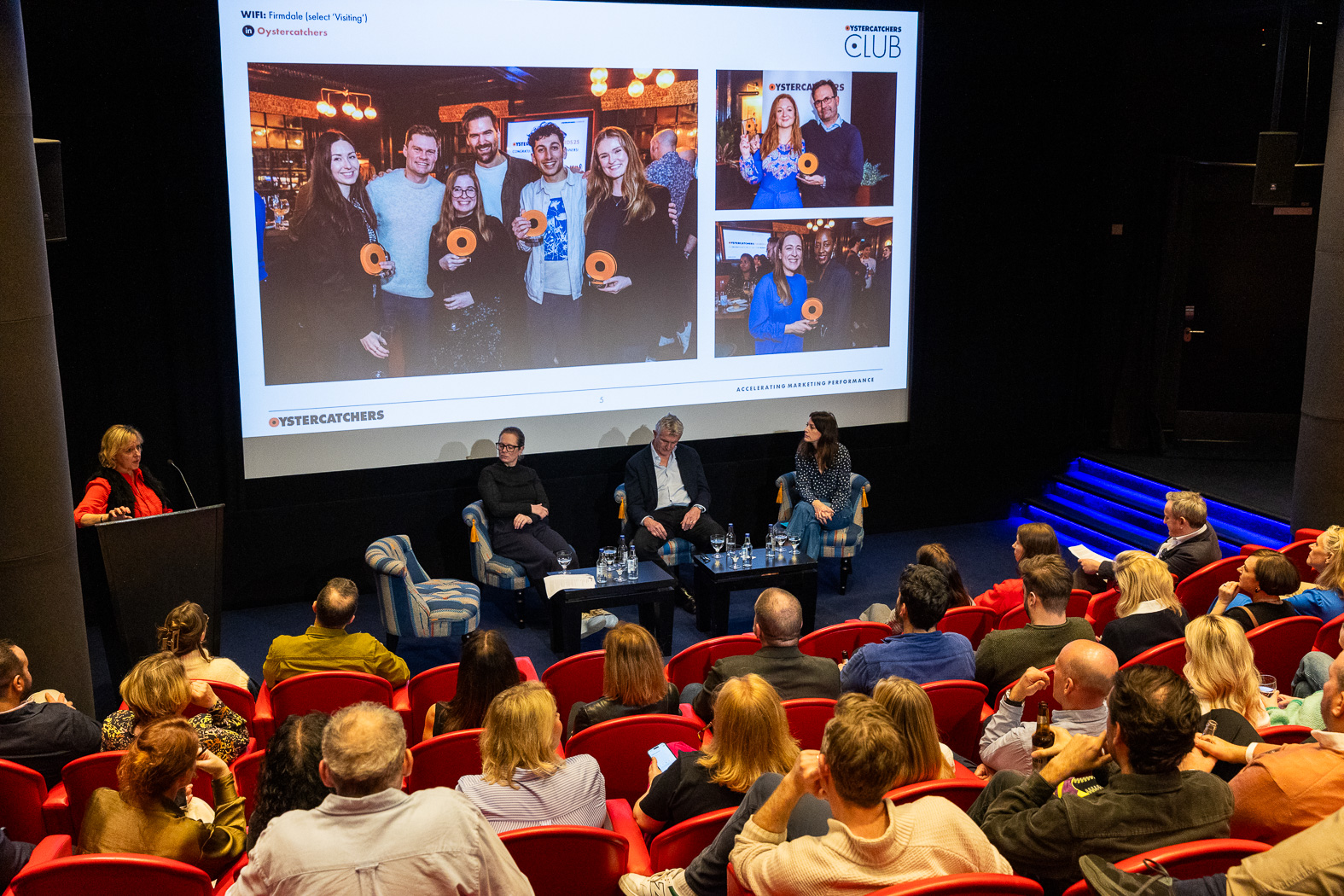
The discussion was led by Becky McKinlay and featured Helen James (The Gate), Chris Clark (Aviva) and Kate Mackie (EY). Between them they have launched global brands, reshaped categories and navigated plenty of disruption. A great example of female marketers leading from the front as we run up to International Women’s Day too.
Across the evening the conversation moved from brand heritage to AI, creative bravery and even the delicate dynamics between agencies, marketers and procurement. A few themes stood out.
1. Sometimes the future starts in the past
When marketers talk about staying relevant, the instinct is often to look forward. New audiences, new platforms, new technology.
But Helen James made the point that relevance often starts with rediscovering what has always made a brand distinctive.
Take the National Canine Defence League. In the early 1990s the name felt distant and institutional. As Helen joked, it sounded “like the wrong side of the North Sea.” The organisation reconnected with its real purpose and relaunched as Dogs Trust, bringing the emotional bond between people and dogs to the centre of its storytelling.
Burberry offers another example. Rather than abandoning its heritage as a maker of raincoats and macintoshes, the brand leaned into it and then gave creative leaders the freedom to reinterpret it for a new generation.
The lesson was simple: find the core truth of a brand and express it in a culturally relevant way.
2. Data is plentiful. Insight is rare.
No marketer today suffers from a shortage of data. The real challenge is identifying the insight that changes behaviour.
Chris Clark illustrated this with the launch of Lipitor, which entered an already crowded cholesterol market. Competitors focused on the fear of heart disease. The breakthrough insight came from a non-nonsense and brilliant planner who reframed the issue entirely.
For many men, cholesterol numbers became a status metric rather than a health warning, like a golf handicap or a pension balance.
Instead of talking about avoiding illness, the campaign spoke to competitive instincts: if you were a winner, you wanted the lowest number. Within six months Lipitor had become the market leader.
Chris’s advice was clear: when you find a genuine insight, hold onto it tightly.
3. Every marketing budget needs room for experimentation
One of the more entertaining parts of the evening was the conversation about what Jeff Dodds called the “F* It budget.”
At Virgin Media, Jeff deliberately set aside around 10–15% of marketing spend for projects that didn’t have to justify themselves through immediate ROI. The purpose was to give teams permission to try things that might not work.
Chris told the story of a project commissioned by HSBC: a £750,000 sound sculpture of the Yangtze River installed at Gatwick Airport. On a spreadsheet it might have looked irrational. But as Chris pointed out, these are the kinds of projects that signal confidence and cultural ambition.
Without that space for experimentation, he argued, marketing quickly becomes over-optimised and predictable.
Or, if every idea has to pass a spreadsheet test, you’ll never produce anything surprising.
4. We are now marketing to two audiences: humans and machines
Kate Mackie highlighted a shift that many marketers are only just beginning to grasp.
Increasingly, brands are communicating with two audiences at the same time: the human decision-maker and the algorithm.
Large language models and search tools now act as the first filter. They handle the mechanical work of gathering and ranking information. But the final choice is still made by people.
Machines may shortlist the options, but humans decide what they trust, what they like and what they feel drawn to.
In other words, optimisation might get you noticed. Distinctiveness still gets you chosen.
5. The idea still matters
Towards the end of the evening the conversation turned to the relationship between brands, agencies and procurement.
As production becomes faster and cheaper through AI, the real value increasingly sits in the thinking behind the work.
Creative assets can be automated. Strategic insight cannot.
Which means the quality of the idea – the original thinking that sits at the heart of a campaign – becomes even more important.
The real test of relevance
Technology will continue to change the tools marketers use. What won’t change is the need for brands to connect with people in ways that feel distinctive and meaningful.
That requires a balance: discipline and data on one side, imagination and courage on the other.
Because in the race for efficiency and optimisation, the biggest risk might simply be forgetting to believe in the power of a good idea.
About Oystercatchers Club Evenings
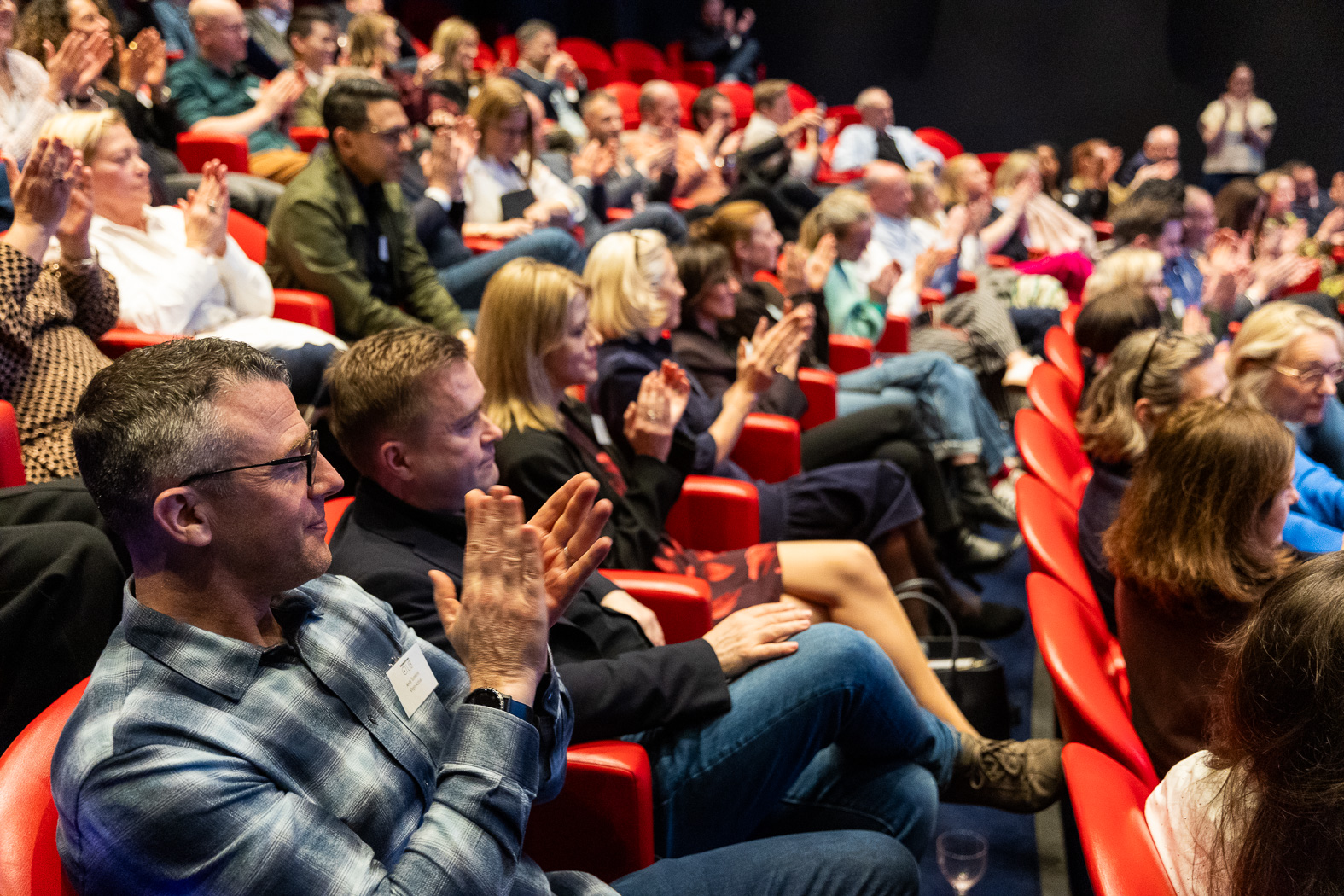
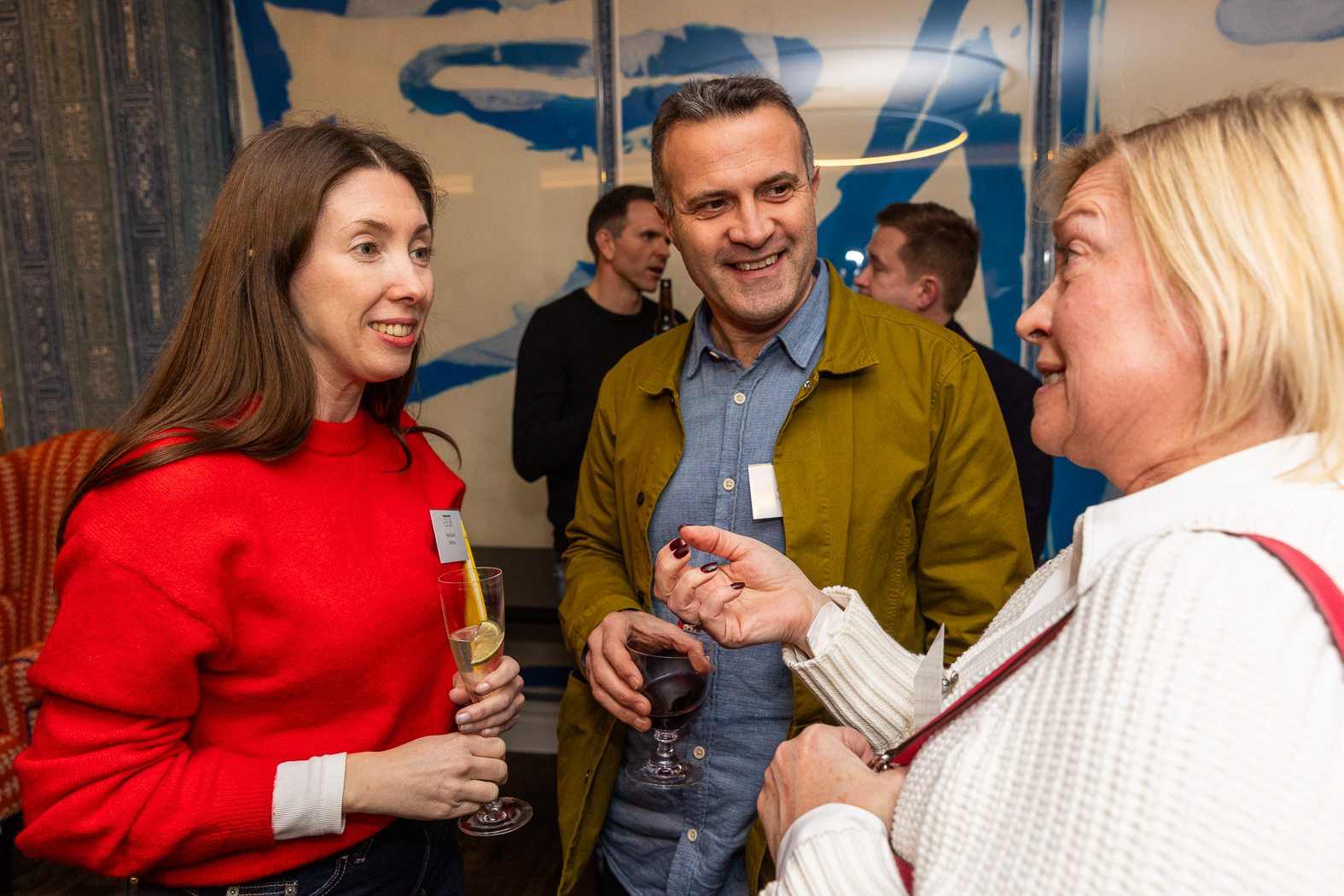
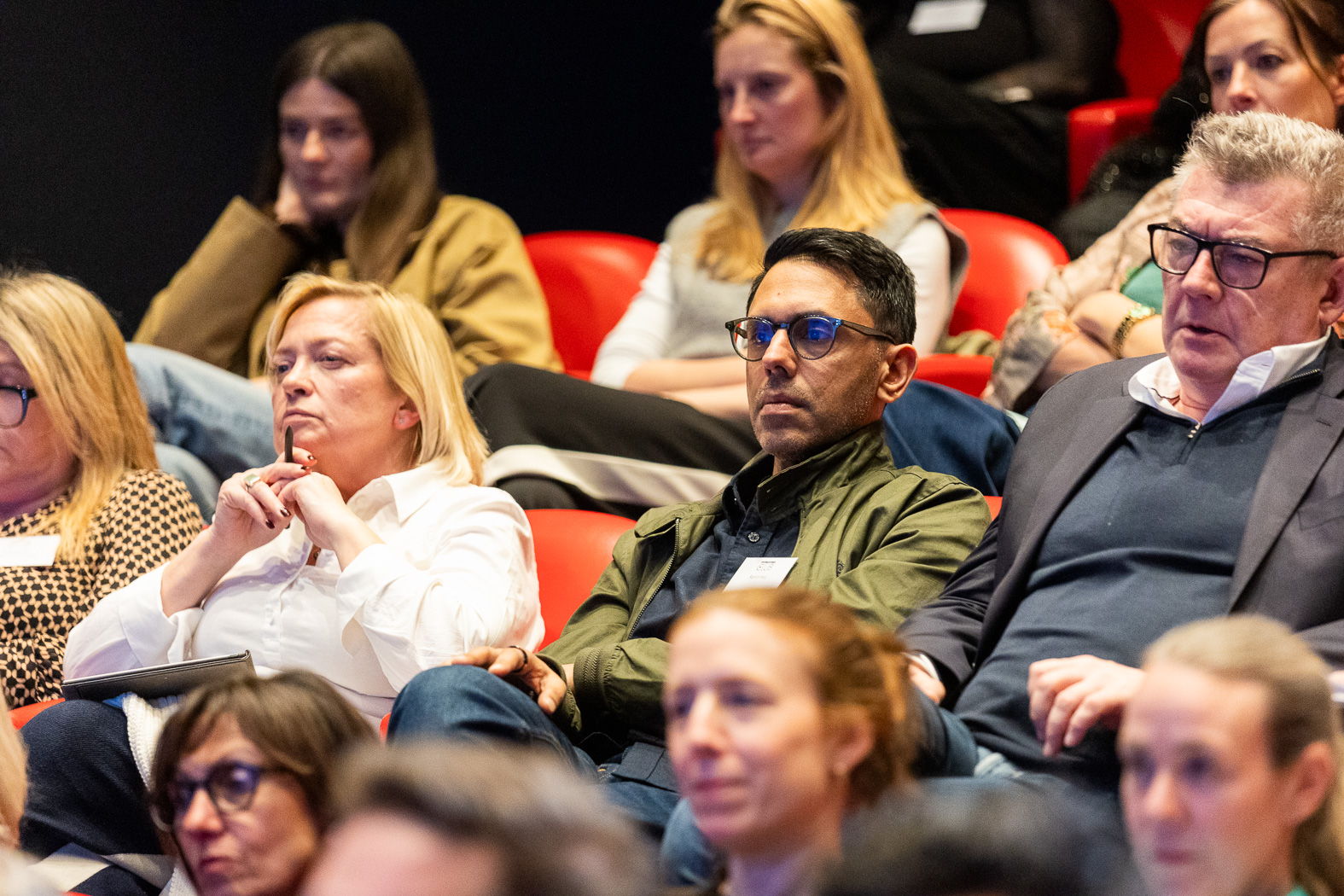
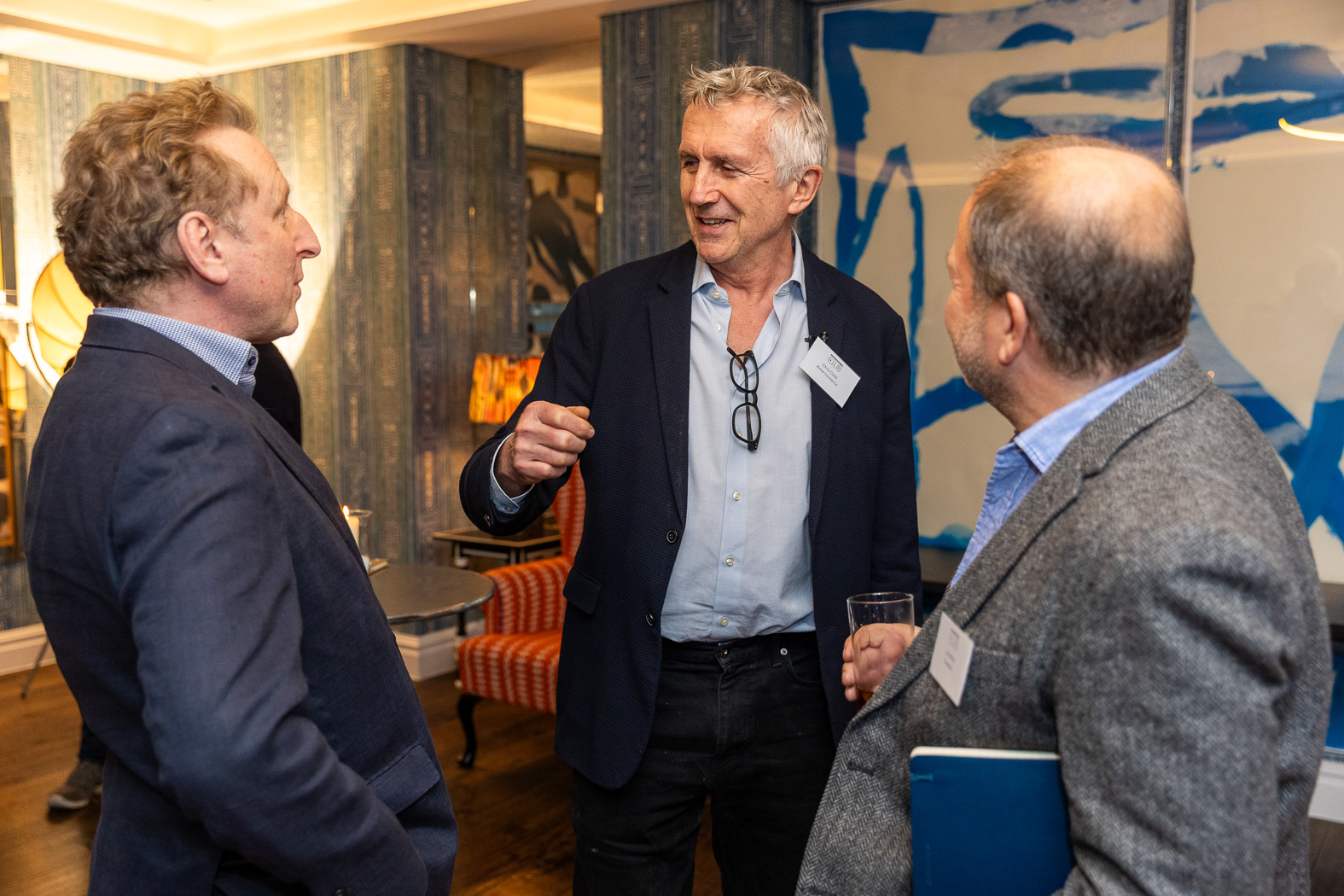
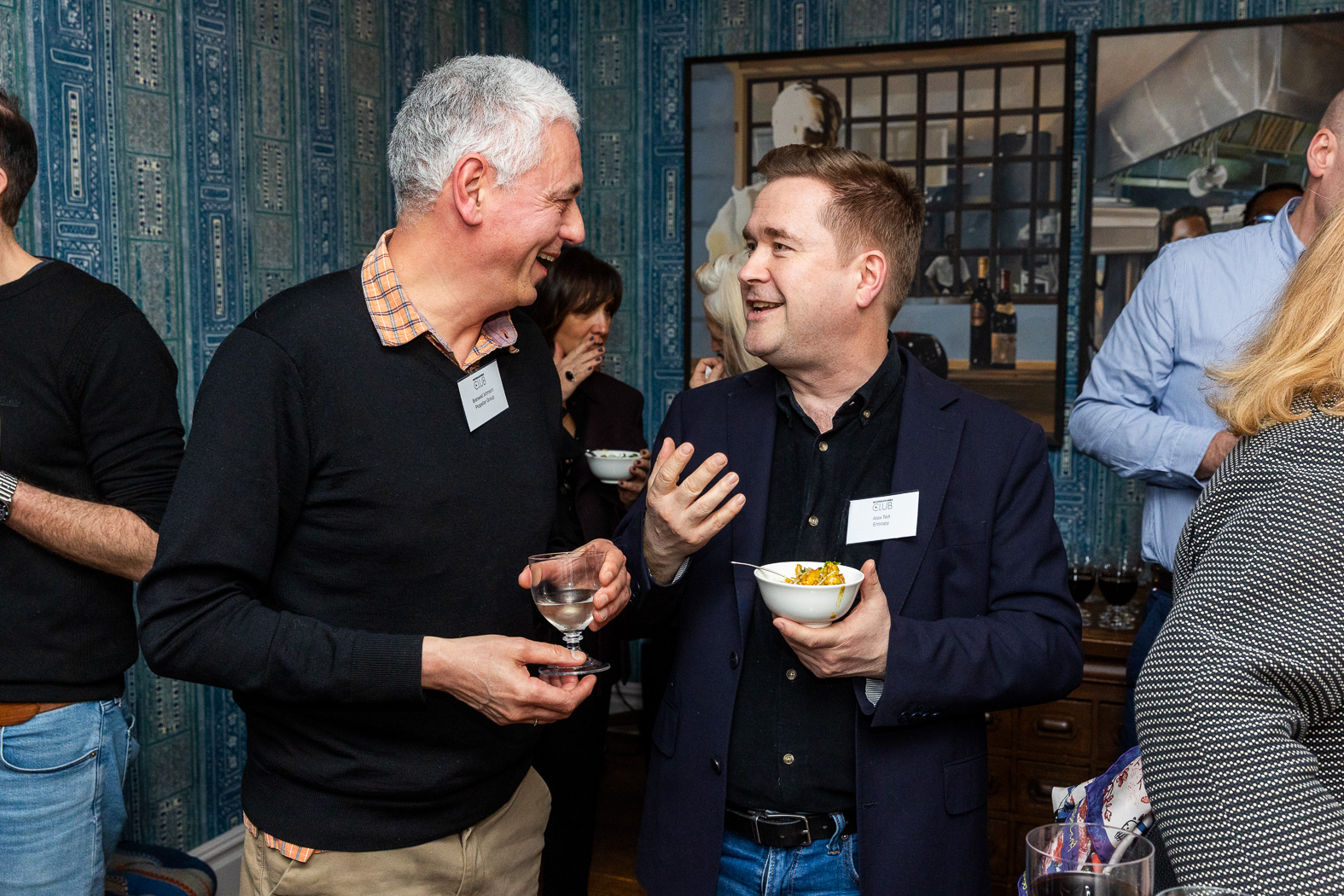
Oystercatchers Club Evenings are always about fostering conversations and forming connections around a core topic to stimulate debate among senior marketing leaders. You can see some of the highlights of this latest event in the gallery below.